
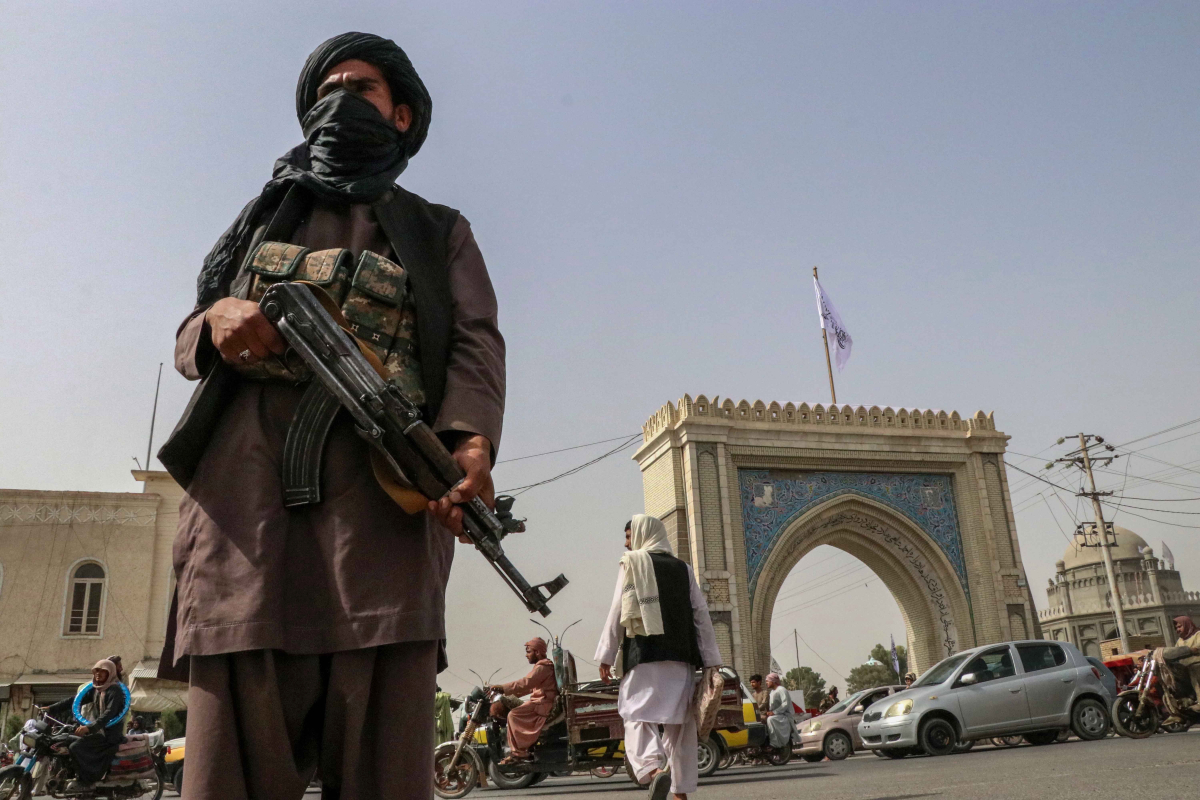
BRUSSELS — European Union officials quietly hosted a delegation of Taliban representatives at EU headquarters this week, the first known visit by officials of the Islamist regime to Brussels since the Taliban seized control of Afghanistan in 2021.
The meeting, held on June 23, brought together officials from the European Commission and representatives from 15 EU member states for what Brussels described as “technical-level” discussions on migration and deportations. The talks centered on returning Afghan nationals who have exhausted their legal right to remain in Europe, particularly individuals convicted of serious crimes or considered security threats. Sweden, which helped organize the meeting, has said it currently has about 200 Afghan nationals convicted of serious crimes awaiting deportation.
The European Commission emphasized that the meeting “did not signal diplomatic recognition of the Taliban.” Taliban officials, however, claimed the discussions included a consular presence for Taliban-run Afghanistan in the EU and broader “trust-building measures.” The meeting reportedly took place outside official European Commission offices to avoid the appearance of formal diplomatic engagement.
The practical pressure behind the talks is stark. According to Eurostat figures, more than 14,000 Afghan nationals were ordered to leave EU member states during the first nine months of 2025, but only a small fraction were ultimately returned. Deportations to Afghanistan remain exceedingly difficult without cooperation from authorities in Kabul.
Afghan activists and human rights organizations condemned the Brussels meeting, arguing that “any official engagement strengthens the Taliban’s international standing” while offering no evidence the regime has improved its treatment of women, minorities, or political opponents. The engagement follows a broader trend: Russia became the first country to formally recognize the Taliban government in 2025, while India has reopened its embassy in Kabul. China, Pakistan, and Iran maintain regular contacts with Taliban leaders.
For Western governments, the deportation question carries acute risks for religious minorities. Afghanistan remains one of the world’s worst countries for religious freedom. Nearly all Afghan Christians are converts from Islam, making their faith a capital offense under the Taliban’s interpretation of Sharia. Shi’a Hazara Muslims face discrimination and attacks from both the Taliban and the Islamic State Khorasan Province. Afghanistan’s once-thriving Sikh and Hindu communities have dwindled after years of persecution and forced migration. The U.S. Commission on International Religious Freedom warned last year that Afghanistan’s religious minorities remain in “grave danger” under Taliban rule, urging governments not to return vulnerable refugees to the country.
International human rights law prohibits returning asylum seekers to countries where they face credible threats of persecution, a principle known as non-refoulement. Neighboring Pakistan and Iran have deported millions of Afghans over the past year, and several Western governments are now reconsidering protections for Afghan refugees as migration pressures mount across Europe.