
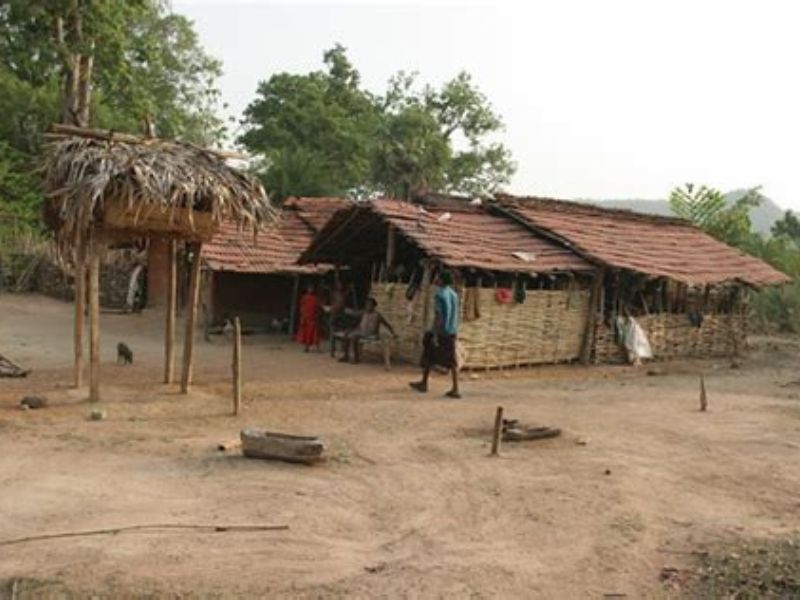
SUKMA, India — A Hindu nationalist mob attacked a Sunday worship service in the remote village of Sadrapal in Chhattisgarh state, injuring at least 25 worshippers — including the pastor’s pregnant wife — in an assault that Christian leaders say was driven by hostility toward the faith, not a land dispute as the attackers claimed.
Of the nearly 30 people injured, at least eight sustained severe head injuries and required emergency medical attention at the Sukma district Government Hospital and a nearby primary health center. Photos circulating on social media showed bloodied men and women lying on stretchers and on hospital floors due to a lack of beds. About 70 Christians had gathered for a prayer service led by local fellowship leader Pastor Hunga Mandavi when the attackers barged in wielding sticks, machetes, and bows and arrows.
Local Christian leaders rejected the Hindu attackers’ claim that the violence was related to an ongoing land dispute, stating the violence was motivated by hostility toward the Christian faith and worship activities. The Progressive Christian Alliance, a network of pastors, church leaders, and social workers, linked the escalation to the state’s revised anti-conversion law. “Almost every other day, we hear of such incidents in the state, and this can disturb communal harmony in local communities,” a PCA representative said. “Christians are very much worried.”
The Chhattisgarh Freedom of Religion Bill 2026, passed in March 2026, directly affects church gatherings in Sukma by shifting them from routine religious spaces into high-risk targets for legal prosecution and vigilante violence. While written to regulate conversions, its broad definitions have effectively turned ordinary Sunday prayer services into pretexts for attack by local extremist groups. A similar incident occurred in April, when another Christian family in the district was beaten by extremists demanding they undergo Ghar Wapsi, a Hindu reconversion ceremony.
Chhattisgarh currently ranks No. 2 among Indian states registering hate speeches and violence against Christians, behind only the North Indian state of Uttar Pradesh, according to International Christian Concern. The pattern of mob violence against worshippers in rural India — enabled by vaguely drafted anti-conversion statutes — mirrors the legal and extralegal persecution of Christian minorities documented across South Asia and is tracked closely by U.S. religious-freedom advocates.
Affected families and human-rights advocates are calling on Chhattisgarh state authorities to conduct a fair, prompt, and impartial investigation and to upgrade the charges to reflect communal violence rather than downplay the attack as a localized dispute.