
ABUJA, Nigeria — Armed Muslim gunmen killed at least 31 Christians in two separate attacks on rural farming communities in Plateau and Kaduna states within one week, according to International Christian Concern and local sources, in the latest wave of violence against predominantly Christian settlements in Nigeria’s Middle Belt.
The deadlier assault struck Kawel community in Mushere District, Bokkos Local Government Area, Plateau state, late on June 21, when gunmen opened fire on homes and a hospital, killing 22 people — 17 men and five women. Community members identified the attackers as suspected Fulani militants, with eyewitnesses saying some assailants were recognized as individuals who had previously lived in or around the area. Residents said the gunmen moved through sections of the community calling out names of specific individuals before shooting.
Among the dead was a medical doctor who was tracked from his residence to a hospital, where attackers killed him along with five patients receiving treatment. A pregnant woman who had arrived at the facility to give birth escaped through a rear exit; her husband was killed. Rev. Markus Nyam, a minister of the Church of Christ in Nations, was shot outside his residence. Three separate families lost both parents in the assault, and a heavily pregnant woman and her unborn child were also killed.
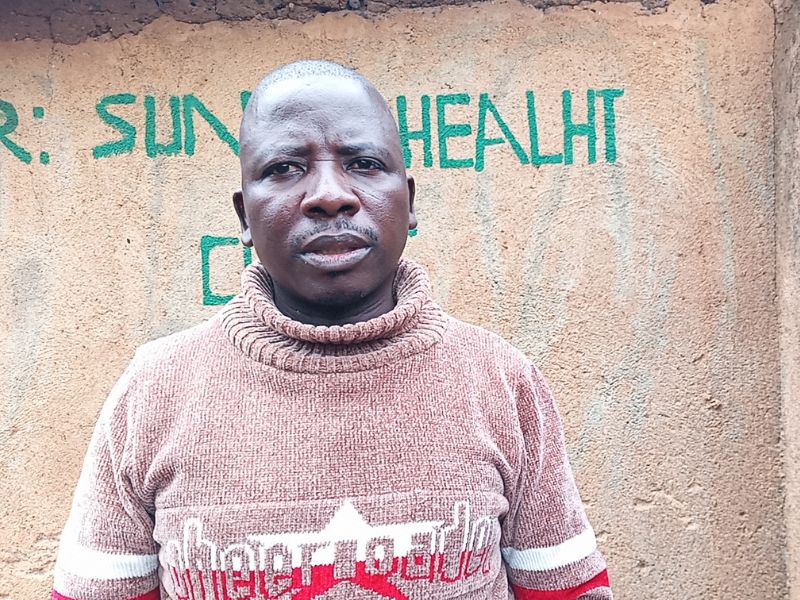
Five days earlier, armed men invaded Ungwan Magaji village in Kamaru Chawai, Kauru Local Government Area, Kaduna state, killing nine residents and injuring at least 11 others. The dead ranged in age from Moses Daddy, 4, to Sunday Chibi, 53. Sunday Aboh, a health worker at Sunny Clinic in Kamaru, said all 11 injured victims were brought to his facility. “Following the attack, 11 casualties were brought to my clinic,” Aboh said. “We treated all of them and referred five of the more critical cases to Kafanchan.” He called on the government for help: “We are calling on the government to assist us with medical equipment and supplies. This is the only clinic available for emergency treatment in these communities.”
Pastor Ishaya Wuy of ECWA Church said residents had gathered to mourn the death of an elderly family member when the Ungwan Magaji attack began. “We were gathered mourning the loss of our grandmother when the attackers struck,” he said. Catechist Ishaya Musa of St. Monica’s Catholic Church said he was abducted during the raid after four armed men entered his room. “They told me if I resisted, they would kill me,” Musa said. He was taken into the bush, beaten, and asked to provide a ransom of ₦10 million, roughly $7,320. “They kept asking where the church money was,” he said. “I told them I had no money.” Musa was eventually released and treated for machete wounds.
The attacks fit a pattern of sustained violence against Christian farming communities along the Chawai-Irigwe corridor on the Kaduna-Plateau border. Local advocacy organizations report that thousands of Irigwe residents have been killed since 2016, while hundreds have died in repeated assaults across southern Kaduna. Government officials have often characterized the violence as disputes over land use and grazing routes, but Christian leaders and advocacy groups argue that Christian communities have been disproportionately targeted. Nigeria’s Middle Belt — the fault line between the predominantly Muslim north and the largely Christian south — has seen escalating attacks on churches, pastors, and farming villages with little sustained security response from federal or state authorities.
Security agencies had not released detailed public findings on either incident at the time of reporting. Community leaders in both states have called for increased military and police presence in vulnerable rural areas ahead of the coming harvest season.